
TLDR: A Massey Ferguson battery going flat overnight can be caused by an ageing battery, alternator faults, poor earth connections, damaged wiring or accessories drawing power when switched off. This guide explains how to check the battery, charging system and parasitic drain to identify the cause before replacing unnecessary parts.
A Massey Ferguson tractor that starts perfectly after charging but has a flat battery the following morning can be frustrating. In many cases, the battery itself gets blamed immediately, but an overnight discharge can have several causes. An ageing battery, a faulty alternator, poor earth connections, damaged wiring or an electrical accessory remaining live can all leave you facing a tractor that will not start.
If your tractor battery won’t charge, or your Massey Ferguson battery repeatedly goes flat while parked, a systematic diagnosis is usually much more effective than simply fitting another battery.
Below are the main areas to check.
-
Start by Checking the Battery
Before looking for complicated electrical faults, make sure the battery itself is healthy.
Lead-acid batteries naturally deteriorate with age. Repeated deep discharging, long periods of inactivity, cold weather and charging problems can all accelerate this deterioration. A battery may appear to charge normally but have very little usable capacity remaining.
Check the battery for:
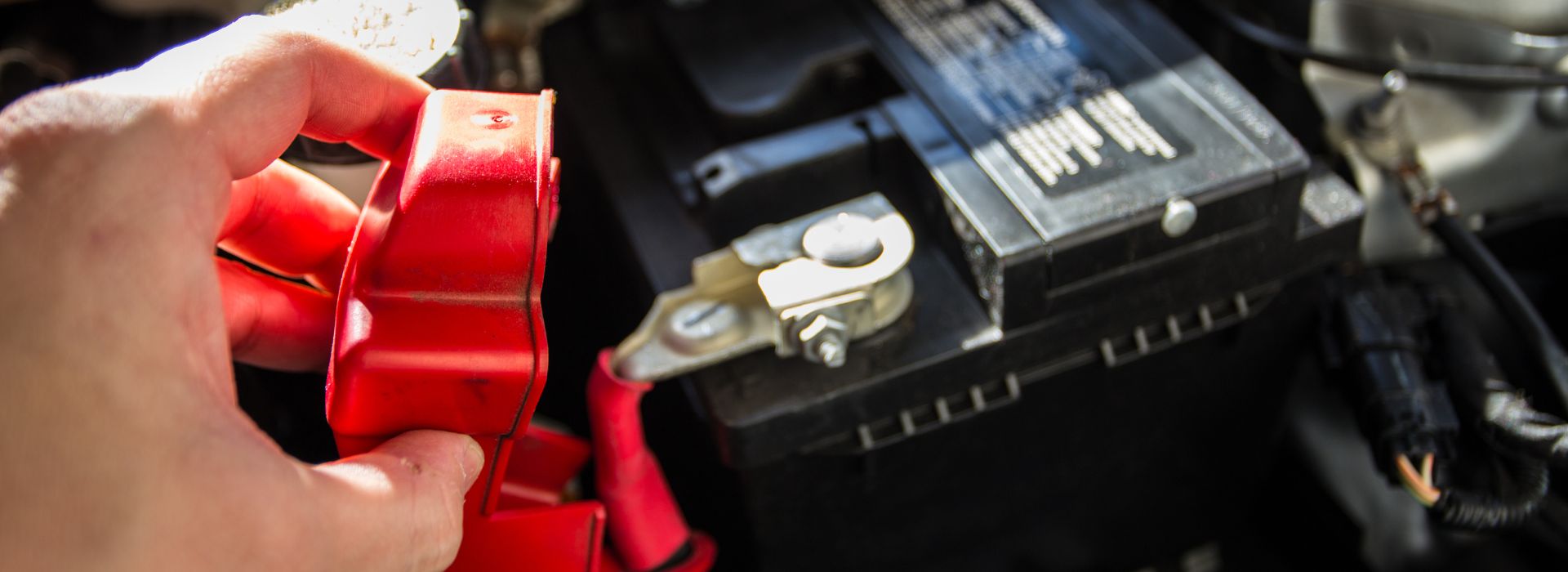
- Corroded or loose terminals
- Cracked or swollen casing
- Low electrolyte level on serviceable batteries
- Evidence of acid leakage
- Loose battery clamps
- Damaged battery cables
With the tractor switched off and the battery rested, a fully charged conventional 12V battery will normally measure around 12.6 volts. DENSO recommends starting charging-system diagnosis with a fully charged battery and ensuring the cables, terminals and battery itself are in good condition. If the voltage drops significantly after the battery has been disconnected from the tractor overnight, the battery itself may be failing. A proper battery load or conductance test can provide a much clearer indication of its condition.
-
Check the Massey Ferguson Alternator
If the battery tests correctly, the next question is whether the tractor is charging it properly while the engine is running.
A failing Massey Ferguson alternator can create two different problems. It may fail to recharge the battery sufficiently during operation, or an internal diode fault can potentially allow current to flow when the tractor is switched off.
Start the tractor and measure voltage directly across the battery terminals. On many conventional 12V charging systems, you would normally expect the voltage to rise above resting battery voltage once the engine is running.
Turn on electrical loads such as:
- Work lights
- Headlights
- Cab fan
- Heater fan
- Beacon
Then monitor battery voltage again.
DENSO explains that alternator faults can cause flat batteries, charging warning lights and no-charge conditions, but also stresses that wiring faults, battery problems and excessive electrical loads should be eliminated before replacing the alternator. Therefore, symptoms commonly associated with tractor alternator problems do not automatically mean the alternator itself is defective.
-
Check for a Parasitic Battery Drain
If the battery and charging system both appear healthy, something may be consuming electricity after the ignition has been switched off.
This is known as a parasitic or key-off drain.
Possible sources on a Massey Ferguson tractor include:
- Radio or stereo
- GPS equipment
- Phone or USB chargers
- Beacon wiring
- Work lights
- Trailer electrical sockets
- Cab accessories
- Control modules
- Relays remaining energised
- Aftermarket switches
- Additional lighting systems
Fluke describes parasitic battery-drain testing as measuring the current being drawn from the battery when the vehicle is switched off. Excessive current can help identify faulty circuits or electrical loads responsible for repeated flat batteries.
A technician can connect an ammeter correctly into the battery circuit and monitor current draw with the tractor completely shut down. Fuses can then be removed individually to identify which circuit causes the current draw to disappear.
Take care when performing amperage tests. Incorrectly connecting a multimeter across a battery while it is configured for current measurement can damage the meter or cause a short circuit.
-
Inspect Battery Earths and Connections
Poor earth connections are extremely common on agricultural machinery because tractors operate in moisture, dirt, fertiliser, vibration and changing weather conditions.
Check the negative battery cable where it connects to the chassis or engine. Remove corrosion and make sure the connection is against clean metal rather than rust, dirt or heavy paint.
Also inspect the positive cable between the battery, starter and alternator.
A connection can look acceptable externally while suffering from significant resistance internally.
Fluke recommends voltage-drop testing because corrosion, loose connections and damaged wiring can restrict current without the fault necessarily being visible. Poor ground connections can cause starting, charging and other electrical problems.
This is particularly important when diagnosing a tractor battery not charging correctly despite apparently normal alternator output.
-
Check Alternator Wiring and the Main Charging Cable
A good alternator Massey Ferguson application still cannot charge the battery correctly if electricity cannot reach the battery.
Inspect:
- Alternator B+ terminal
- Charging cable
- Battery positive connection
- Fusible links or main fuses
- Alternator plug
- Excitation wiring
- Engine earth straps
- Chassis earths
Look especially closely for green corrosion inside terminals, overheated connections and partially broken cables.
DENSO notes that excessive resistance between the alternator output and the battery can prevent proper charging and potentially place additional stress on the alternator.
Voltage-drop testing while the charging system is under electrical load is often more useful than simply measuring resistance with everything switched off.
-
Look for Damaged or Modified Wiring
Older Massey Ferguson tractors may have accumulated decades of wiring repairs and modifications.
Pay particular attention to wiring for:
- Additional work lights
- Trailer sockets
- Radios
- Beacons
- Electric fuel pumps
- GPS systems
- Loader controls
- Cameras
- Isolator switches
A wire rubbing against the cab, chassis or engine can eventually damage its insulation. Moisture inside plugs and connectors can also create unexpected current paths.
Recently installed accessories are always worth investigating first if the battery problem appeared shortly after installation.
-
Check Whether the Alternator Itself Is Draining the Battery
An alternator does more than generate electricity. Its rectifier contains diodes that convert the alternator’s generated AC electricity into DC electricity for the tractor’s electrical system and battery.
If the rectifier develops an internal fault, the alternator can sometimes contribute to battery-drain problems even when the tractor is parked.
Yuasa notes that alternator and rectifier faults can produce abnormal charging behaviour and damage batteries.
If disconnecting the alternator — using the correct workshop procedure — causes an unexplained overnight drain to disappear, the alternator and rectifier should be tested professionally.
Don’t Keep Replacing Batteries Without Finding the Cause
When a tractor battery won’t charge or repeatedly goes flat overnight, replacing the battery without testing the rest of the system can become expensive.
A sensible diagnostic order is:
- Fully charge and test the battery.
- Clean and tighten the battery terminals.
- Inspect engine and chassis earths.
- Test alternator charging voltage.
- Perform voltage-drop tests on the charging cables.
- Check for excessive current draw with the tractor switched off.
- Isolate individual circuits to locate the drain.
- Test the alternator and rectifier if necessary.
Suggested Replacement Parts
- Battery
- Massey Ferguson alternator
- Alternator regulator or rectifier
- Alternator / fan belt
- Battery positive cable
- Battery negative cable
- Engine or chassis earth strap
- Battery terminals and clamps
- Alternator charging cable
- Alternator wiring plug
- Main fuse or fusible link
- Ignition switch
- Electrical relays
- Damaged wiring loom sections
- Work light or beacon switches
- Trailer socket or associated wiring
- Faulty aftermarket accessory wiring
Whether the problem is an ageing battery, damaged cable, poor earth, faulty Massey Ferguson alternator or an accessory remaining live overnight, following a logical testing sequence can usually narrow down the problem without replacing unnecessary parts.
For persistent tractor alternator problems, intermittent charging faults or wiring that has been heavily modified, consulting the correct Massey Ferguson workshop information or having the charging system tested professionally is recommended. Finding the underlying fault will help prevent repeat battery failures and make sure your tractor is ready to start when you need it.
Need assistance in purchasing the correct replacement parts for your Massey Ferguson tractor? Please get in touch via our Contact page.
Want to buy replacement parts? Browse and Buy now from our Online Shop.